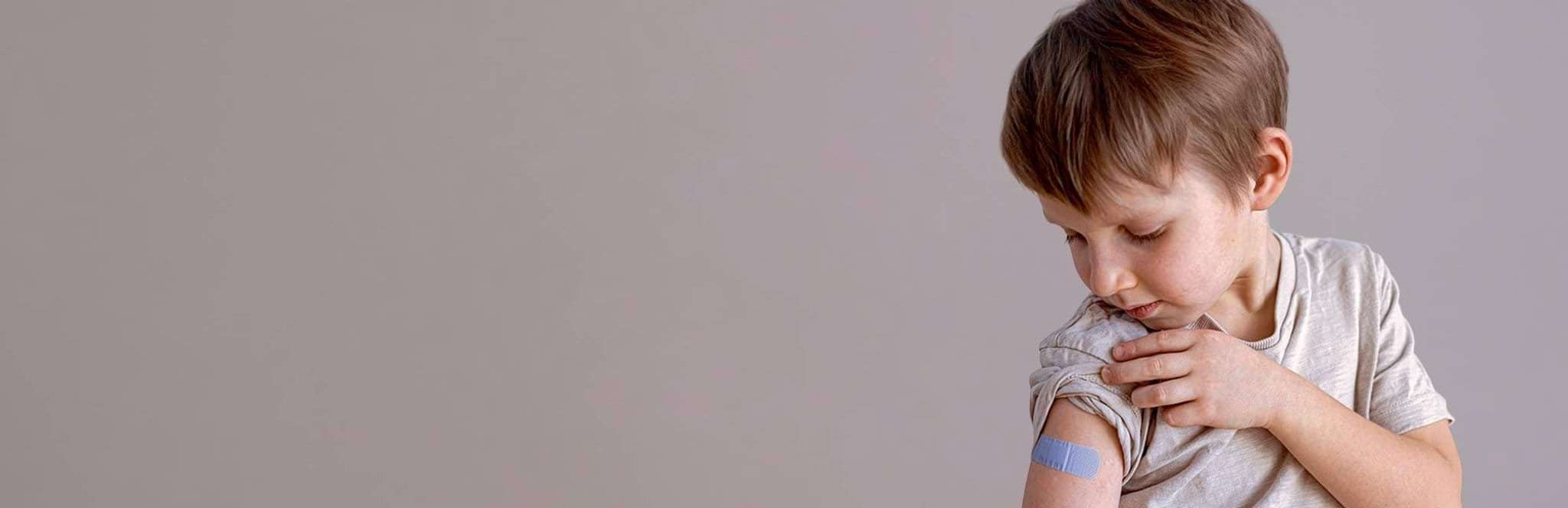
The flu can be serious, especially for children. Everyone 6 months and older is recommended to get the annual flu vaccine.
Babies and toddlers need special protection from the flu, and the vaccine is just as important as other routine childhood vaccines. It helps protect them from the most common flu strains.
The vaccine protects you, your family, and the community. It also helps reduce the risk of severe illnesses and flu related complications. The vaccine is free for eligible priority groups.
What you can do to help
This toolkit is for healthcare services, local council and community organisations. Use these materials to encourage uptake of the flu vaccination, RSV maternal and infant vaccines, and COVID-19 protective measures by Victorians.
You can help by:
- Sharing the materials from this toolkit with your community via social media and digital platforms
- Printing and displaying posters in this toolkit at your local health service, clinic, community centre, place of work or community recreational spaces
- Promote the campaign message in your newsletter or on hold messaging.
- Directing people to the Better Health Channel Don't risk the flu campaign page for current information and updates.
- Keeping up to date with latest influenza vaccination information by monitoring Seasonal influenza vaccine.
Don't risk the flu
- Don’t risk the flu. Get vaccinated today.
- Flu season is here, and it can be serious. Choose to protect yourself and your loved ones with an annual flu vaccine.
The vaccine is free for eligible groups:
- Children aged 6 months to under 5 years
- Adults aged 65 years and older
- Aboriginal and Torres Strait Islander people aged 6 months and older
- Pregnant women (at any stage of pregnancy)
- Individuals with certain medical conditions that increase the risk of severe flu.
Download and display the following posters:
- General population
- Parents of children under 5
- Seniors (over 65)
- Aboriginal and Torres Strait Islander
Don't risk the flu posters(opens in a new window)zip 5.09 MBUpdated 19 May 2026Download the suite of assets and adapt the suggested post copy.
Don't risk the flu social tile images - Parents with children under 5(opens in a new window)zip 2.56 MBDon't risk the flu social stories - parents with children under 5(opens in a new window)zip 905.45 KBUpdated 20 May 2026Don't risk the flu animated assets - parents with children under 5(opens in a new window)zip 1.85 MBUpdated 20 May 2026Version 1
Headline: Don't risk the flu
Suggested post copy:
This flu season, what will you choose? A little discomfort getting your child vaccinated or a lot of pain if they get sick. Don't risk the flu. Make sure your family is up to date with their annual flu vaccine, free for children under 5.
Version 2
Headline: Don't risk the flu
Suggested post copy:
The flu can be serious, and children are among the most at risk. Choose to protect them with an annual flu vaccine, free for children under 5.
Version 3
Headline: Don't risk the flu
Suggested post copy:
Flu vaccines are safe, effective and free for children under 5. Book your flu vaccine through your doctor (GP), local council immunisation service, Aboriginal Community Controlled Health Organisation, or local pharmacy (for ages 5 years and older).
- Don't risk the flu social tiles - adult audiences(opens in a new window)zip 3.13 MBUpdated 19 May 2026
Version 1
Headline: Don't risk the flu
Suggested post copy:
Flu season is here, and it can be serious. Choose to protect yourself and your loved ones with an annual flu vaccine.
Version 2
Headline: Don't risk the flu
Suggested post copy:
This flu season, choose to protect yourself and your loved ones with an annual flu vaccine, free for those over 65.
Version 3
Headline: Don't risk the flu
Suggested post copy:
Flu season is here, and it can be serious. Protect your mob with an annual flu jab, free for Aboriginal and Torres Strait Islander people aged 6 months and older.
Our channels:
• Instagram: @VicGovDH
• Facebook @VicGovDH
Respiratory syncytial virus (RSV) vaccine
Infants and young children
- From 1 April to 30 September, free immunisation is available to eligible infants entering their first respiratory syncytial virus (RSV) season.
- RSV infection is the most common cause of infant hospitalisation because it can often progress to more serious lung conditions in very young children.
- Infant RSV immunisation provides immediate protection with just one dose, reducing the risk of hospitalisation for at least five months, covering the typical RSV season (May to September in Victoria).
- You can now access the infant immunisation program through participating public and private birthing hospitals, general practices, Aboriginal Health Services and some local council immunisation clinics.
- Protect your little one and check their eligibility today on the Better Health Channel's Respiratory syncytial virus (RSV) page.
RSV maternal vaccine
- Respiratory syncytial virus (RSV) is the leading cause of infant hospitalisation in Australia.
- But did you know vaccination during pregnancy helps protect newborns by passing on antibodies, reducing the risk of severe RSV illness in infants under 6 months by about 70%?
- As part of a world-first comprehensive Maternal and Infant Protection Program (MIPP) against RSV, eligible women from 28 to 36 weeks of pregnancy can now access a free vaccine through the National Immunisation Program (NIP).
- The vaccine can safely be given at the same time as other vaccines recommended in pregnancy, including influenza, whooping cough, and COVID vaccines.
- Maternal vaccination is the safest means of protecting our little ones against serious RSV illness.
- Speak to your health care provider or visit the Better Health Channel's Respiratory syncytial virus (RSV) page.
RSV vaccine for older Victorians
- RSV (respiratory syncytial virus) is a virus that causes upper and lower respiratory tract infection. RSV infection can cause severe disease, particularly in very young and older people.
- RSV is an important cause of respiratory disease and hospitalisation in older people, Aboriginal and Torres Strait Islander adults, and people with conditions that increase their risk of severe RSV disease.
- Vaccination is a safe and effective way to protect against serious disease caused by RSV. Talk to your GP about the RSV vaccine.
- A single dose of RSV vaccine is recommended to protect older people. RSV vaccine may be given at any time of the year, but, where possible, should be offered before the start of the RSV season.
- The vaccine can safely be given at the same time as other vaccines including influenza and COVID vaccines.
- The RSV vaccine for older Australians will be available for free through the NIP from 15 May 2026.
- RSV maternal vaccine - social tiles(opens in a new window)zip 3.36 MBUpdated 19 May 2026
Headline
Free maternal RSV vaccine now available!
Suggested post copy
Respiratory syncytial virus (RSV) is the leading cause of infant hospitalisation in Australia. But did you know vaccination during pregnancy helps protect newborns by passing on antibodies, reducing the risk of severe RSV illness in infants under 6 months by about 70%?
Eligible women from 28 to 36 weeks of pregnancy can now access a free vaccine through the National Immunisation Program (NIP). The vaccine can safely be given at the same time as other vaccines recommended in pregnancy, including influenza, whooping cough, and COVID vaccines.
Department of Health channels:
Specific audience winter toolkits
This winter respiratory illness communications toolkit is for healthcare services and community organisations.
The materials and information are designed to be used by healthcare and community organisations to help encourage uptake of winter vaccinations by Victorians and provide infection control resources for settings. The materials are evergreen and can be used throughout winter.
Winter respiratory illness communications toolkit - older people(opens in a new window)PDF 1.04 MBThis winter wellness respiratory illness and immunisation communications toolkit is primarily for Aboriginal Community Controlled Health Organisations (ACCHOs) but may be used by other organisations.
The materials are designed to be used to encourage staying well this winter and the uptake of the flu vaccination, RSV maternal and infant immunisations, COVID and measles vaccines by Aboriginal and Torres Strait Islander communities. The materials can be used throughout winter 2026.
Winter respiratory illness communications toolkit for ACCHOs(opens in a new window)PDF 1.22 MB
Further resources
COVID remains a part of our lives and right now we’re experiencing an increase in cases across Victoria. As we go into the winter months, it’s important to follow these steps to protect yourself and others:
- Stay home if you are unwell.
- Wear a face mask if you have symptoms or visiting sensitive settings, such as aged care facilities.
- Let fresh air in. Open windows and doors when safe and practical, it reduces the amount of viruses in the indoor air. Meet outside when possible.
- Wash or sanitise your hands thoroughly and regularly, particularly before and after touching your face. Cough or sneeze into your elbow.
- Talk with your doctor now if you are at higher risk for complications from COVID-19. Discuss what to do if you get sick, including testing options and whether you are eligible for antiviral treatment.
- If you experience serious symptoms, seek medical attention.
Stay up to date with your immunisations. - Immunity wanes over time. Regular COVID-19 vaccinations (also known as boosters) are the best way to maintain your protection against severe illness, hospitalisation and death from COVID-19. For more information and to check if you are eligible for a free booster, visit COVID-19 vaccine advice and recommendations. COVID-19 vaccines are free for all people in Australia, including those without a Medicare card.
- Measles is a highly infectious disease and can cause serious illness.
- Measles can spread through airborne droplets, contact with nose and throat secretions and contaminated surfaces and objects. It can also stay in the environment for up to 2 hours.
- Early symptoms resemble a cold or flu, with fever, cough, sore or red eyes (conjunctivitis), runny nose and feeling generally unwell. This is followed by a rash that usually starts on the face before spreading down the body.
- Vaccination is the best and safest way to protect yourself and others.
- Two doses of the measles vaccine are required for immunity. If you haven’t had two doses, or you don’t know, get vaccinated.
The measles vaccine is widely available at GPs and pharmacies. No Medicare card is required to get a state funded measles vaccine. Aboriginal and Torres Strait Islander people can access free measles vaccines from their local Aboriginal Community Controlled Health Organisation.
For more information, visit the measles page on Better Health Channel.
SKAI (Sharing Knowledge about Immunisation) provides resources to support your conversations with community members who have questions about vaccination.
- Talking with adult patients who have questions fact sheet - will help you have productive conversations with adults about vaccination.
- Addressing vaccine misinformation can be used in conjunction with the SKAI communications approach to assist in having productive conversations that address misinformation about vaccination.

Don't risk the flu campaign on Better Health Channel
This winter season, help protect your child from serious illness with a free flu vaccine.
Updated